Totolink X2000R Firmware CVE-2026-9827 Allows Authenticated Remote Code Execution
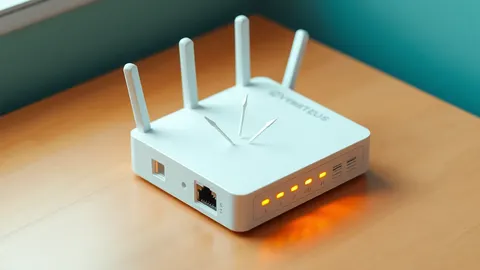
A critical arbitrary file write vulnerability in specific Totolink X2000R firmware allows authenticated attackers to execute code remotely.
Key points
- CVE-2026-9827 affects Totolink X2000R firmware version TOTOLINK-X2000R-Gh-V1.0.0-B20250421.1327.
- The flaw is rated Critical with a CVSS score of 9.1 due to remote code execution risk.
- Attackers must possess valid authentication credentials to trigger the vulnerability via HTTP requests.
A critical security flaw has been identified in a specific firmware version of the Totolink X2000R router. The vulnerability allows for arbitrary file writes that can lead to remote code execution by authenticated users.
What happened
The National Vulnerability Database recorded CVE-2026-9827 as a critical issue affecting the Totolink X2000R device. The flaw resides specifically in firmware version TOTOLINK-X2000R-Gh-V1.0.0-B20250421.1327. According to the advisory, the vulnerability exists within the boa formUploadFile functionality. This component handles file uploads within the router's web interface. A specially crafted HTTP request can exploit this weakness to write files to arbitrary locations on the device.
The resulting arbitrary file write capability enables an attacker to achieve remote code execution. The attacker must first obtain valid authentication credentials for the router. Once authenticated, they can send the malicious HTTP request to trigger the exploit. The Common Weakness Enumeration classifies this as CWE-22, indicating a path traversal or improper file path canonicalization issue.
Why it matters
The CVSS score of 9.1 places this vulnerability in the critical severity range. This high score reflects the significant impact of remote code execution on network devices. Attackers who gain code execution can potentially take full control of the router. This control could allow them to intercept traffic, install malware, or pivot to other devices on the network.
The requirement for authentication limits the attack surface compared to unauthenticated flaws. However, default or weak credentials are common in many environments. If an attacker obtains valid login details, they can bypass the initial barrier. The specific version affected is clearly identified, allowing administrators to check their inventory. No patch or firmware update has been confirmed by the vendor in the available records.
What to watch
- Monitor vendor communications for a firmware update addressing CVE-2026-9827.
- Check router logs for unusual file upload activity or unauthorized configuration changes.
- Verify that all X2000R devices are running the affected version TOTOLINK-X2000R-Gh-V1.0.0-B20250421.1327.
- Watch for any new advisories regarding path traversal issues in similar firmware versions.
Who needs to act first
IT teams should prioritize identifying all instances of the affected firmware version within their network inventory. Systems exposed to untrusted networks or those with weak authentication policies require immediate attention. Administrators should verify if valid credentials have been compromised or if default passwords are still in use. While waiting for a vendor fix, organizations should consider isolating these devices from sensitive network segments. Regular audits of access logs can help detect unauthorized attempts to leverage the upload functionality.
Background: CVSS score
The CVSS score explains vulnerability severity using a 0.0 to 10.0 scale. It measures attack vector, complexity, privileges required, and impact on confidentiality, integrity, and availability. You use this metric to prioritize patches, though you must adjust it for your specific environment to avoid wasting time on irrelevant threats.
Read the full guide: CVSS Score Explained: How to Read Risk Metrics and Prioritize Fixes
What to do and how to stay safe: Totolink
- Enforce strong, unique passwords for all router administrative accounts to raise the barrier for attackers.
- Disable remote management features if they are not strictly required for daily operations.
- Segment network access to prevent compromised routers from reaching critical internal resources.
- Monitor for unexpected outbound connections that may indicate command and control activity.
Step-by-step guide: Virtual Patching Myths: What It Actually Fixes and Breaks
General security guidance from the Patch Gazette newsroom. It is not confirmed advice from the organisations named in this story.
Frequently asked questions
Which specific firmware version is affected by CVE-2026-9827?
The vulnerability affects Totolink X2000R firmware version TOTOLINK-X2000R-Gh-V1.0.0-B20250421.1327.
Is a patch available for this critical vulnerability?
No fix or firmware update has been confirmed by the vendor in the current source material.
Does an attacker need to be logged in to exploit this flaw?
Yes, an attacker must make an authenticated HTTP request to trigger the arbitrary file write vulnerability.