CVE-2026-28763: Authenticated HTTP Attack Enables RCE on Specific Totolink X2000R Firmware
A stack-based buffer overflow in the X2000R firmware allows arbitrary code execution via an authenticated HTTP request, posing a severe risk to device integrity.
Key points
- CVE-2026-28763 is rated critical with a CVSS score of 9.1.
- The vulnerability affects the specific firmware version TOTOLINK-X2000R-Gh-V1.0.0-B20250421.1327.
- The source material does not confirm the availability of a vendor patch for this flaw.
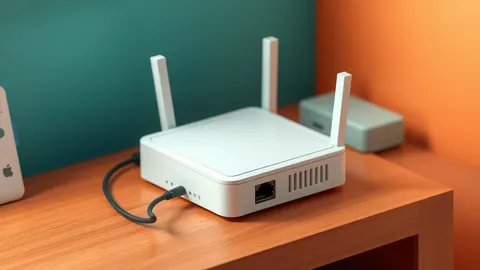
The National Vulnerability Database records a critical security flaw in Totolink X2000R router firmware. The vulnerability, tracked as CVE-2026-28763, stems from a stack-based buffer overflow in the boa formMapDelDevice hostname functionality. An attacker can trigger arbitrary code execution by sending a specially crafted HTTP request to the affected device.
What happened
The National Vulnerability Database lists CVE-2026-28763 as a critical severity issue with a CVSS score of 9.1. The flaw is classified under CWE-121, indicating a stack-based buffer overflow. According to the NVD record, the vulnerability exists specifically within the boa formMapDelDevice hostname functionality of the router. The only affected version identified in the advisory is TOTOLINK-X2000R-Gh-V1.0.0-B20250421.1327.
Why it matters
Remote code execution is a severe risk because it allows an attacker to run arbitrary commands on the system. This specific vulnerability requires an authenticated HTTP request to trigger the buffer overflow. That suggests an attacker must first obtain valid credentials for the router’s administrative interface. Once authenticated, the attacker can exploit the hostname functionality to compromise the device.
What to watch
- Monitor vendor communications for any official firmware updates addressing CVE-2026-28763.
- Check internal logs for unusual HTTP requests targeting the formMapDelDevice endpoint.
- Verify that administrative accounts on X2000R routers use strong, unique passwords.
- Review access controls to ensure only authorized personnel can reach the management interface.
Who needs to act first
Teams should prioritize securing devices exposed to untrusted networks or those with weak administrative credentials. Since the flaw requires authentication, enforcing strong password policies is the immediate mitigation step. Organizations should audit their inventory to locate all X2000R units running the vulnerable firmware version. It is advisable to isolate these devices from critical segments of the network until a fix is available. Regularly testing backup and recovery procedures ensures that teams can restore service quickly if a device is compromised or needs to be reconfigured during an incident response.
Background: CVSS score
The CVSS score explains vulnerability severity using a 0.0 to 10.0 scale. It measures attack vector, complexity, privileges required, and impact on confidentiality, integrity, and availability. You use this metric to prioritize patches, though you must adjust it for your specific environment to avoid wasting time on irrelevant threats.
Read the full guide: CVSS Score Explained: How to Read Risk Metrics and Prioritize Fixes
What to do and how to stay safe: Totolink
- Enforce complex, unique passwords for all router administrative accounts to raise the barrier for authentication.
- Restrict access to the router's management interface using firewall rules or VLAN segmentation to limit exposure.
- Monitor network traffic for anomalies that might indicate an attacker has obtained credentials and is interacting with the device.
- Once the vendor provides an update, deploy the patch immediately after testing it in a controlled environment to ensure stability.
Step-by-step guide: Password Policy Checklist for Secure Identity Management
General security guidance from the Patch Gazette newsroom. It is not confirmed advice from the organisations named in this story.
Frequently asked questions
What specific version of Totolink X2000R firmware is affected by CVE-2026-28763?
The vulnerability affects version TOTOLINK-X2000R-Gh-V1.0.0-B20250421.1327, as listed in the NVD record.
Does the attacker need to be logged in to exploit this vulnerability?
Yes, the NVD description states that an attacker can make an authenticated HTTP request to trigger the vulnerability.
Is there a patch available for CVE-2026-28763?
The source material does not state whether a patch is available.