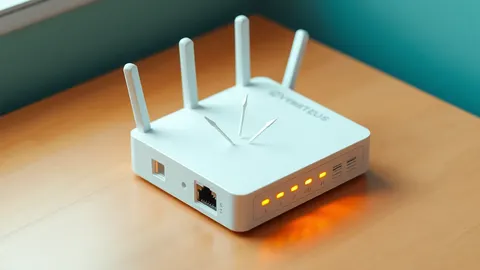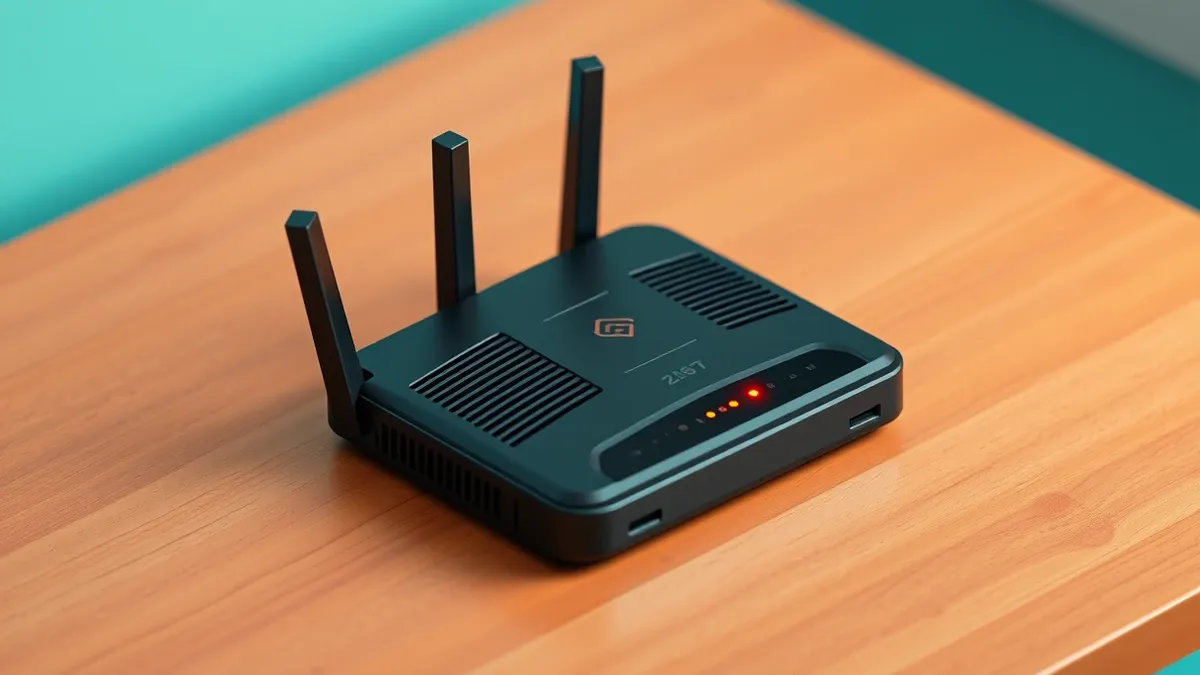
Authenticated users can execute arbitrary code on Totolink X2000R via CVSS 9.1 CVE-2026-9814
A critical OS command injection flaw in the Totolink X2000R router allows authenticated attackers to execute arbitrary code via password reset.
Key points
- CVE-2026-9814 affects Totolink X2000R firmware version TOTOLINK-X2000R-Gh-V1.0.0-B20250421.1327.
- The vulnerability carries a CVSS score of 9.1, classified as Critical severity by the NVD.
- Attackers must be authenticated to trigger the OS command injection via the boa formWizard newPass feature.
The National Vulnerability Database has recorded a critical security flaw in the Totolink X2000R router. This OS command injection vulnerability exists within the password reset functionality of the device's web interface.
What happened
The National Vulnerability Database lists CVE-2026-9814 as a critical vulnerability affecting the Totolink X2000R router. The flaw is present in firmware version TOTOLINK-X2000R-Gh-V1.0.0-B20250421.1327. It resides in the boa formWizard newPass functionality, which handles password reset operations. The NVD assigns this issue a CVSS score of 9.1, marking it as a critical risk.
The weakness is categorized under CWE-78, indicating improper neutralization of special elements used in an OS command. An attacker can exploit this by sending a specially crafted HTTP request. This request must be authenticated, meaning the attacker needs valid login credentials. Successful exploitation leads to arbitrary code execution on the device. The source material does not indicate that a patch or fix has been released yet.
Why it matters
Authenticated command injection flaws in network edge devices pose significant risks to internal network security. Attackers who gain access to a router can often pivot to other systems on the local network. The ability to execute arbitrary code allows for full control of the device. This can lead to data theft, traffic interception, or use as a botnet node. The critical CVSS score reflects the high impact of such an exploit. Since the flaw exists in the password reset function, it may be easier for attackers to trigger than flaws in core routing protocols. Organizations using this specific firmware version are exposed until a mitigation is available.
What to watch
- Monitor vendor communications for firmware updates addressing CVE-2026-9814.
- Watch for indicators of compromise related to unauthorized command execution on routers.
- Observe network logs for unusual HTTP requests to the password reset endpoint.
- Check for new advisories from security researchers regarding exploitation of this flaw.
Who needs to act first
Teams should prioritize identifying all instances of the affected Totolink X2000R firmware. Isolate these devices from critical network segments if possible. Restrict access to the administrative interface to trusted management networks only. Change default credentials immediately to reduce the risk of unauthorized access. Monitor traffic to these devices for signs of exploitation. Prepare a rollback plan before applying any future updates. Ensure backups of current configurations are stored securely. Limit the exposure of the web interface to prevent remote attacks.
Background: CVSS score
The CVSS score explains vulnerability severity using a 0.0 to 10.0 scale. It measures attack vector, complexity, privileges required, and impact on confidentiality, integrity, and availability. You use this metric to prioritize patches, though you must adjust it for your specific environment to avoid wasting time on irrelevant threats.
Read the full guide: CVSS Score Explained: How to Read Risk Metrics and Prioritize Fixes
What to do and how to stay safe: Totolink
- Verify the firmware version on all Totolink X2000R devices in your environment.
- Restrict administrative access to the router interface to internal management networks.
- Enable logging on the device to capture potential exploitation attempts.
- Review network segmentation to limit the impact if a device is compromised.
Step-by-step guide: Virtual Patching Myths: What It Actually Fixes and Breaks
General security guidance from the Patch Gazette newsroom. It is not confirmed advice from the organisations named in this story.
Frequently asked questions
Which Totolink router model is affected by CVE-2026-9814?
The Totolink X2000R router is affected by this vulnerability.
What firmware version is vulnerable to this command injection flaw?
Firmware version TOTOLINK-X2000R-Gh-V1.0.0-B20250421.1327 is vulnerable.
Does a patch exist for CVE-2026-9814?
No fix has been confirmed yet in the available source material.