Ultrahuman to build UAE-wide health-age model using wearable and clinical data
The Bengaluru startup will partner with local health authorities to combine wearable data with clinical biomarkers for a national health estimate.
Key points
- Ultrahuman and Abu Dhabi Public Health Center signed a two-year memorandum of understanding.
- The project aims to create a wearable-agnostic biological-age model using clinical and device data.
- The startup plans to eventually make the health-age estimates available to residents across the UAE.
Ultrahuman has announced a partnership with Abu Dhabi health authorities to develop a biological-age model. The initiative involves a two-year research phase to validate the algorithm using clinical biomarkers and wearable data.
What happened
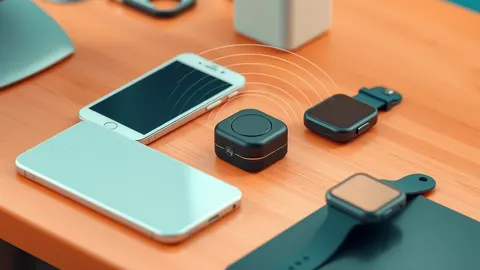
Ultrahuman, a Bengaluru-based health technology startup, signed a memorandum of understanding with the Abu Dhabi Public Health Center on Monday. According to TechCrunch, the agreement outlines a two-year period dedicated to research and clinical validation of a new model. This model is designed to estimate an individual’s biological age by combining clinical biomarkers with data collected from wearable devices. The partnership represents Ultrahuman’s first step toward deploying a health algorithm at a national scale. The company intends for the health-age model to eventually be accessible to people throughout the United Arab Emirates. Individuals will likely access their results through government digital-health platforms such as TAMM and Sahatna. The biological-age model is being designed to be wearable-agnostic, meaning it can process data from rings, wrist-worn devices, straps, and patches.
This approach allows the system to integrate various data sources alongside clinical markers to assess aging factors. These factors include sleep patterns, physical activity, cardiovascular health, and metabolic function. Ultrahuman has sold approximately 800,000 smart rings globally, but this project expands its reach beyond its current customer base. CEO Mohit Kumar stated that the company views itself as a health-data entity rather than just a hardware seller. The smart ring serves as one method for acquiring bodily data, but the focus is on the utility of that information. Working with a government entity provides the opportunity to apply these algorithms to a much broader population. The rollout will occur in phases, though Kumar did not provide a specific timeline for the broader release.
Why it matters
This partnership marks a strategic shift for Ultrahuman toward large-scale health data analysis. By integrating with public health infrastructure, the startup moves beyond direct-to-consumer hardware sales. The model’s wearable-agnostic design ensures compatibility with multiple device types, increasing its potential utility. Validating the model with clinical biomarkers adds a layer of medical credibility to the wearable data. This approach could set a precedent for how health tech companies collaborate with government agencies. The focus on biological age rather than chronological age offers a more nuanced view of health.
Factors like sleep and metabolism are quantified to show how lifestyle impacts aging. This data-driven method allows for personalized insights into health acceleration or deceleration. The availability of results through existing government platforms like TAMM simplifies access for citizens. It removes the need for users to purchase specific hardware to participate in the initial phases. The two-year validation period emphasizes the importance of clinical rigor before public deployment. This cautious approach aims to ensure the model’s estimates are reliable and actionable. The project highlights the growing intersection of consumer wearable tech and public health initiatives.
What to watch
- Monitor official announcements from the Abu Dhabi Public Health Center regarding the validation progress.
- Watch for updates on the integration of the model into TAMM and Sahatna platforms.
- Observe how Ultrahuman expands the model’s compatibility with other wearable device manufacturers.
What to do and how to stay safe: Ultrahuman
- Review your current wearable device’s data-sharing settings to understand what health metrics are being collected.
- Consult with healthcare professionals before making lifestyle changes based on biological-age estimates.
- Ensure your government digital-health account credentials are secure if you plan to access these services.
- Stay informed about data privacy policies related to the integration of clinical and wearable data.
Step-by-step guide: Software Updates Best Practices: Secure Patching Without Downtime
General security guidance from the Patch Gazette newsroom. It is not confirmed advice from the organisations named in this story.
Frequently asked questions
What is the biological-age model?
It is a system that combines clinical biomarkers with wearable device data to estimate how quickly an individual is aging.
How long will the validation process take?
Ultrahuman and the Abu Dhabi Public Health Center have agreed to a two-year period for research and validation.
Will I need an Ultrahuman ring to use this?
No, the model is designed to be wearable-agnostic and can use data from rings, wrist-worn devices, straps, and patches.